
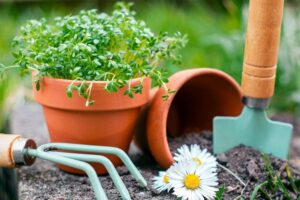
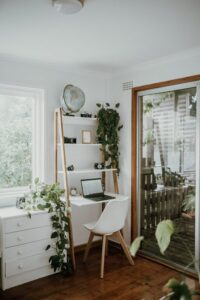
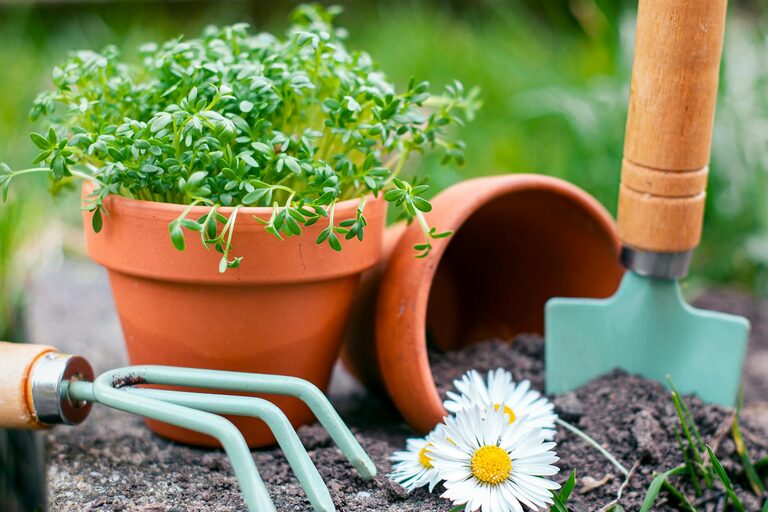
Starting a small herb garden at home is a delightful way to bring fresh flavors to your kitchen, beautify your space, and enjoy the satisfaction of growing your own plants. Whether you have a sunny windowsill, a balcony, or a small backyard, herbs are easy to grow and require minimal care. This guide will walk you through everything you need to begin your herb-growing journey.
Why Grow Your Own Herbs?
Growing herbs at home offers many benefits:
– Freshness: Pick herbs straight from your garden for the best flavor.
– Convenience: No need to buy herbs repeatedly at the store.
– Cost-effective: Seeds and plants are affordable and sustainable.
– Aesthetic: Herbs can brighten your home or garden with greenery and texture.
– Educational: Great for learning about plants and nature.
Choosing the Right Location
Light is crucial for herb growth, so the first step is selecting the ideal spot.
Indoor Herb Gardens
– Choose a south-facing window if possible, offering at least 6 hours of sunlight.
– If natural light is limited, consider using a small grow light.
– Keep herbs away from drafts or heating vents to prevent stress.
Outdoor Herb Gardens
– Select a spot with good sunlight, ideally 6-8 hours of direct sun daily.
– Ensure the area has well-draining soil.
– Raised beds, containers, or garden plots are great options.
Selecting Herbs for Your Garden
Start with easy-to-grow and commonly used herbs:
– Basil: Great for cooking, requires warm temperatures.
– Mint: Vigorous grower, best in containers to avoid spreading.
– Parsley: Hardy and versatile, grows well indoors and outdoors.
– Thyme: Drought-tolerant and low maintenance.
– Chives: Mild onion flavor, perfect for pots.
– Cilantro: Prefers cooler temperatures, grows quickly.
Avoid overcrowding by choosing a few to start with, then expand.
Picking Containers and Soil
Herbs can thrive in containers or garden beds.
Containers
– Use pots with drainage holes to prevent waterlogging.
– Choose containers that suit the herb’s size; a 6-8 inch pot works for most.
– Consider materials like terracotta, plastic, or ceramic.
Soil
– Use high-quality potting soil that drains well.
– Avoid garden soil in pots as it may be too dense or contain pests.
– Mix in some compost or organic matter for nutrients.
Planting Your Herbs
You can start herbs from seeds, seedlings, or cuttings.
Starting from Seeds
– Follow the seed packet instructions for depth and spacing.
– Keep soil moist but not soggy.
– Germination times vary; be patient.
Using Seedlings
– Transplant young plants carefully to avoid root damage.
– Water immediately after planting.
Using Cuttings
– Some herbs like mint and basil root easily from cuttings.
– Place cuttings in water until roots form, then plant in soil.
Caring for Your Herb Garden
Watering
– Water when the top inch of soil feels dry.
– Avoid overwatering, which can cause root rot.
– Indoor herbs usually need less water than outdoor ones.
Feeding
– Use a balanced, water-soluble fertilizer every 4-6 weeks.
– Organic options like compost tea or fish emulsion work well.
Pruning and Harvesting
– Regularly pinch or cut herbs to encourage bushier growth.
– Harvest in the morning for the best flavor.
– Avoid removing more than one-third of the plant at once.
Pests and Problems
– Watch for common pests like aphids or spider mites.
– Remove affected leaves or use natural remedies like soapy water sprays.
– Good air circulation helps prevent fungal issues.
Tips for Success
– Rotate pots occasionally for even light exposure.
– Label your herbs to avoid confusion.
– Keep a gardening journal to track growth and notes.
– Experiment with new herbs once you’re comfortable.
Conclusion
Starting a small herb garden at home is a rewarding project that anyone can enjoy. By choosing the right location, selecting suitable herbs, and providing proper care, you’ll have fresh herbs year-round just a few steps from your kitchen. Happy gardening!